The Quest for Free Phantom of the Opera Sheet Music PDF
Many musicians and enthusiasts actively seek readily available, complimentary Phantom of the Opera sheet music in PDF format,
driven by the musical’s enduring popularity and the desire to learn and perform its iconic melodies․
Understanding the Popularity of the Score
The enduring appeal of The Phantom of the Opera’s score stems from its breathtaking blend of operatic grandeur and contemporary musical theatre sensibilities․ Andrew Lloyd Webber masterfully crafted a soundscape rich in dramatic intensity, soaring melodies, and complex harmonies․ This combination resonates deeply with both seasoned musicians and casual listeners alike, fueling a constant demand for the sheet music․
The story’s romantic and tragic themes, coupled with the iconic characters, further amplify the score’s emotional impact․ The desire to recreate these powerful moments – whether through vocal performance or instrumental arrangement – drives many to search for accessible sheet music, particularly in convenient PDF format․ The availability of resources like MIDI files and Synthesia tutorials also points to a widespread interest in learning and playing the music․
The Appeal of Andrew Lloyd Webber’s Music
Andrew Lloyd Webber’s compositional style is characterized by its melodic strength and accessibility, making his works incredibly popular for performance and study․ He seamlessly integrates elements of classical music, pop, and rock, creating a unique and captivating sound․ The Phantom of the Opera exemplifies this, featuring memorable tunes like the title song and “Angel of Music” that are instantly recognizable․
Webber’s ability to write for the voice is particularly noteworthy, allowing performers to showcase their range and emotional depth․ This, combined with the dramatic storytelling within the score, explains the persistent search for sheet music – individuals want to connect with the music on a personal level․ The demand for PDF versions reflects a desire for convenient access and affordability, enabling wider participation in performing and learning his compositions․
Legality and Copyright Concerns
Downloading sheet music PDFs from unofficial sources raises significant legal and ethical concerns regarding copyright infringement․ Andrew Lloyd Webber’s works are protected by copyright law, meaning unauthorized reproduction and distribution are illegal․ While the allure of “free” sheet music is strong, obtaining it through unapproved channels supports piracy and undermines the rights of the composer and publishers․
Using illegally obtained PDFs can also expose users to risks, including malware or viruses embedded within the files․ Furthermore, the quality of these PDFs is often poor, containing errors or incomplete arrangements․ Respecting copyright ensures that artists are compensated for their work and incentivizes the creation of new music․ Legitimate avenues for acquiring sheet music, even if they require payment, are the ethical and legally sound choice․
Where to Find Phantom of the Opera Sheet Music
Locating Phantom of the Opera sheet music involves exploring official retailers, subscription services, and cautiously navigating free archive websites, weighing legality and quality․
Official Websites and Retailers
Securing legitimate sheet music directly from official sources guarantees quality and supports copyright holders․ Musicnotes․com and Hal Leonard Online are prominent retailers offering a wide selection of Phantom of the Opera arrangements, including vocal scores, piano accompaniments, and instrumental parts, often available as immediate PDF downloads․
These platforms typically provide accurately transcribed music, professionally formatted for readability, and licensed for legal use․ While not free, the investment ensures a reliable and high-quality resource for learning and performance․
Authorized dealers also include local music stores and online marketplaces like Amazon, which may carry physical copies of the sheet music or offer digital versions through partnerships with official distributors․ Always verify the seller’s authenticity to avoid counterfeit or illegally copied materials․
Free Sheet Music Archives – A Risky Path
The allure of “free” Phantom of the Opera sheet music PDFs from archives is strong, but fraught with potential issues․ Websites offering downloads without proper licensing often operate in legally gray areas, potentially violating copyright laws․ Utilizing such resources carries the risk of supporting illegal distribution and facing legal repercussions․
Furthermore, the quality of these free PDFs is frequently substandard․ Scans may be blurry, incomplete, or contain errors introduced during transcription or digitization․ Illegible notation hinders learning and accurate performance․
Beware of sites riddled with malware or deceptive advertising․ Downloading files from untrusted sources can compromise your device’s security․ While tempting, prioritizing legal and reliable sources is crucial for both ethical and practical reasons․
Subscription-Based Sheet Music Services
A reliable and legal avenue for accessing Phantom of the Opera sheet music PDFs lies within subscription-based services․ Platforms like Musicnotes․com, Sheet Music Plus, and others offer extensive catalogs, including officially licensed arrangements of Webber’s masterpiece․
These services typically operate on a per-piece purchase or monthly/annual subscription model, granting access to a vast library of scores․ The PDFs are generally high-quality, professionally arranged, and legally obtained, ensuring accuracy and supporting the composer and publishers․
Subscription benefits often include transposition options, adjustable tempos, and printable formats․ While requiring a financial commitment, these services provide peace of mind, quality assurance, and contribute to the sustainability of the music industry․
Key Pieces & Arrangements Available
Popular selections like the title song, “Angel of Music,” and “All I Ask of You” are frequently sought after in various vocal and instrumental arrangements․
“The Phantom of the Opera” (Title Song) – Vocal Score
The vocal score for the iconic title song is arguably the most desired piece among Phantom of the Opera sheet music seekers․ It presents a significant challenge for vocalists due to its demanding range and dramatic phrasing, making a clear, accurate PDF version invaluable․
Available arrangements typically include piano accompaniment, catering to both soprano and tenor vocal ranges․ Finding a high-quality PDF often involves searching through subscription services or legitimate online retailers, as free versions can be incomplete or poorly transcribed․
Many aspiring performers utilize online resources and tutorials alongside the sheet music to master the song’s nuances․ The complexity of the piece necessitates careful study and practice, and a well-formatted PDF is crucial for effective learning and performance preparation․
“Angel of Music” – Piano and Vocal Arrangements
“Angel of Music” holds a special place in the hearts of Phantom fans, and its sheet music is frequently sought after in PDF format․ Arrangements commonly feature both piano accompaniment and vocal lines, often presented separately for practice or combined for performance․ The song’s ethereal quality demands a sensitive interpretation, making a clear score essential․
PDF versions range in quality; some are professionally transcribed, while others are user-submitted and may contain errors․ Synthesia tutorials, utilizing MIDI files derived from the sheet music, are popular learning tools․
Locating a complete and accurate vocal score can be challenging, with free options often lacking clarity or completeness․ Subscription services and official retailers generally offer more reliable versions for dedicated musicians․
“All I Ask of You” – Duet Sheet Music
The beloved duet, “All I Ask of You,” is a cornerstone of The Phantom of the Opera, and its sheet music is highly desired, particularly in accessible PDF format․ Arrangements typically include separate vocal parts for Christine Daaé and Raoul, alongside a piano accompaniment․ Finding a well-formatted duet score is crucial for harmonious performance․
Free PDF versions circulating online vary significantly in accuracy and legibility․ Many amateur transcriptions exist, potentially containing errors in notation or rhythm․
Professional arrangements, available through official retailers or subscription services, offer a more reliable experience․ Musicians often utilize these scores for vocal coaching, rehearsals, and public performances, ensuring a faithful rendition of this iconic love song․
Instrumental Versions – Piano Solo & Orchestral Scores
Beyond vocal scores, instrumental arrangements of The Phantom of the Opera are sought after, with piano solo versions being particularly popular for practice and performance․ Orchestral scores, though more complex, allow for a full, immersive experience of Andrew Lloyd Webber’s rich orchestration․
Locating free PDF versions of these instrumental pieces can be challenging․ Piano solo arrangements are more frequently found online, but quality varies greatly․ Orchestral scores are less common in free, legal formats due to their complexity and copyright restrictions․
Dedicated musicians often invest in professionally arranged orchestral scores for accurate and complete performances․ These scores provide detailed instrumentation and dynamic markings, essential for a truly authentic rendition․
Navigating PDF Formats and Quality
PDF quality significantly impacts usability; clear, high-resolution scans are crucial for legible sheet music, while poor scans hinder learning and performance․
Recognizing High-Quality PDF Sheet Music
Identifying superior Phantom of the Opera sheet music PDFs requires careful observation․ Look for crisp, clear notation where every note, dynamic marking, and articulation is easily discernible․ High-quality PDFs will exhibit sharp lines, avoiding blurriness or pixelation, especially when zoomed in․
The page should be properly aligned, without skewed text or cropping of musical phrases․ Legitimate sources often include publisher information, copyright notices, and a clean layout․ Avoid PDFs with excessive watermarks obstructing the music or those appearing as low-resolution photographs․
Consider the source; official retailers or reputable archives generally offer better quality․ A well-prepared PDF will facilitate a smooth and enjoyable learning experience, allowing you to focus on the music itself, rather than deciphering illegible markings․
Dealing with Poorly Scanned or Illegible PDFs
Encountering low-quality Phantom of the Opera sheet music PDFs is common when seeking free resources․ Illegible scans often present blurred notes, skewed pages, or missing sections, hindering accurate learning․ First, attempt adjusting your PDF viewer’s settings – increasing contrast or brightness can sometimes improve clarity․
If the issue persists, explore image editing software to enhance the scan, though this requires technical skill․ Consider searching for alternative versions from different sources; multiple scans may yield a more complete and readable copy․
Be prepared to supplement with audio recordings to clarify ambiguous passages․ Ultimately, investing in a professionally produced, high-quality PDF is often the most efficient and rewarding solution, saving time and frustration․
Software for Viewing and Editing PDFs
Accessing Phantom of the Opera sheet music PDFs necessitates reliable software․ Adobe Acrobat Reader is a standard, free option for viewing, but offers limited editing capabilities․ For more advanced features – annotation, form filling, or minor corrections – consider Adobe Acrobat Pro (paid)․
Alternatives include Foxit PDF Reader, offering a balance of features and affordability, and PDFelement, known for its user-friendly interface․ If substantial editing is required, dedicated image editing software like GIMP (free) or Photoshop (paid) can be used to refine scanned PDFs․
Ensure your chosen software supports optical character recognition (OCR), enabling conversion of scanned images into searchable and editable text, improving usability․
Alternatives to Full Sheet Music
For those unable to find complete scores, MIDI files and Synthesia tutorials offer accessible learning options, alongside simplified chord charts and arrangements․
MIDI Files and Synthesia Tutorials
MIDI files present a valuable alternative when full sheet music PDFs are elusive, allowing musicians to import the notes into digital audio workstations for playback and analysis․ These files capture the melodic and harmonic structure of pieces like “Angel of Music,” facilitating learning without needing traditional notation․
Synthesia tutorials, leveraging these MIDI files, visually represent the music as falling blocks, synchronized with the audio․ This gamified approach is particularly effective for beginners or those who learn best visually, offering an engaging way to practice and memorize the songs from The Phantom of the Opera․

Numerous online resources host both MIDI files and Synthesia tutorials, providing accessible pathways to learn and play the music, even without the ability to read standard sheet music proficiently․ They are a fantastic stepping stone for aspiring musicians․
Chord Charts and Simplified Arrangements
For musicians prioritizing accompaniment over detailed notation, chord charts offer a streamlined approach to playing Phantom of the Opera songs․ These charts display the harmonic progression, enabling guitarists, pianists, and ukulele players to quickly grasp the song’s structure and improvise or strum along․
Simplified arrangements, often omitting complex orchestral parts, provide a more accessible entry point for beginner or intermediate players․ These arrangements focus on the core melody and essential harmonies, making the music less daunting to learn․
Websites and online communities frequently share chord charts and simplified scores, offering a cost-effective alternative to full sheet music PDFs․ They are ideal for casual players or those seeking a quicker way to enjoy the iconic melodies of Andrew Lloyd Webber’s masterpiece․
Learning by Ear – Utilizing Online Resources
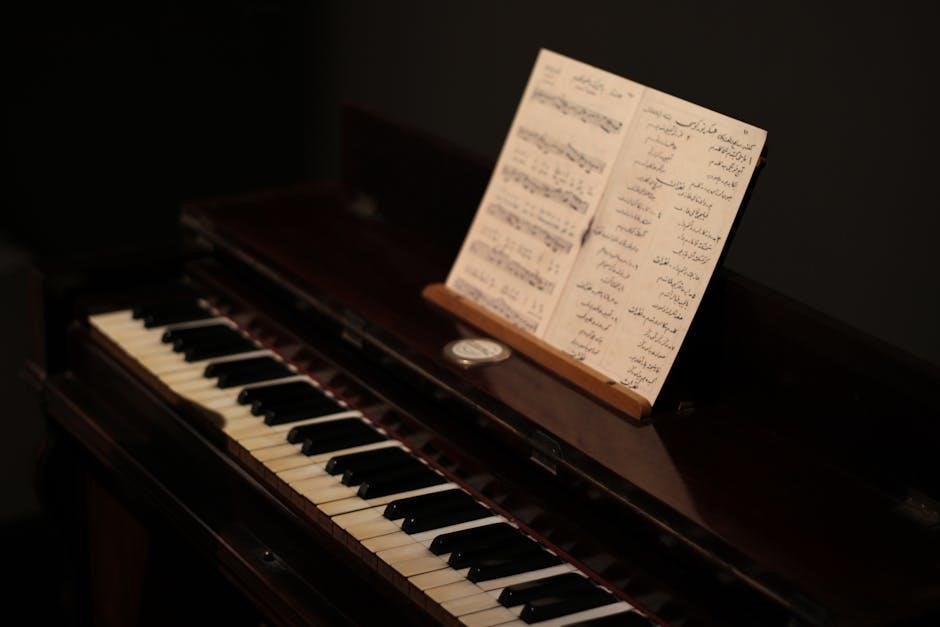
Developing your ear is a valuable skill, and numerous online resources facilitate learning Phantom of the Opera songs by ear․ Platforms like YouTube host countless tutorials and covers, allowing musicians to dissect melodies and harmonies through repeated listening․
Synthesia tutorials, visually representing piano keys synchronized with the music, are particularly helpful for piano players․ These tutorials break down complex passages into manageable segments, aiding in memorization and accurate reproduction․
While not a direct substitute for sheet music, this method fosters musical intuition and improvisation skills․ Combined with online communities and forums dedicated to the show, learning by ear offers a rewarding and engaging way to connect with the music of Phantom of the Opera․