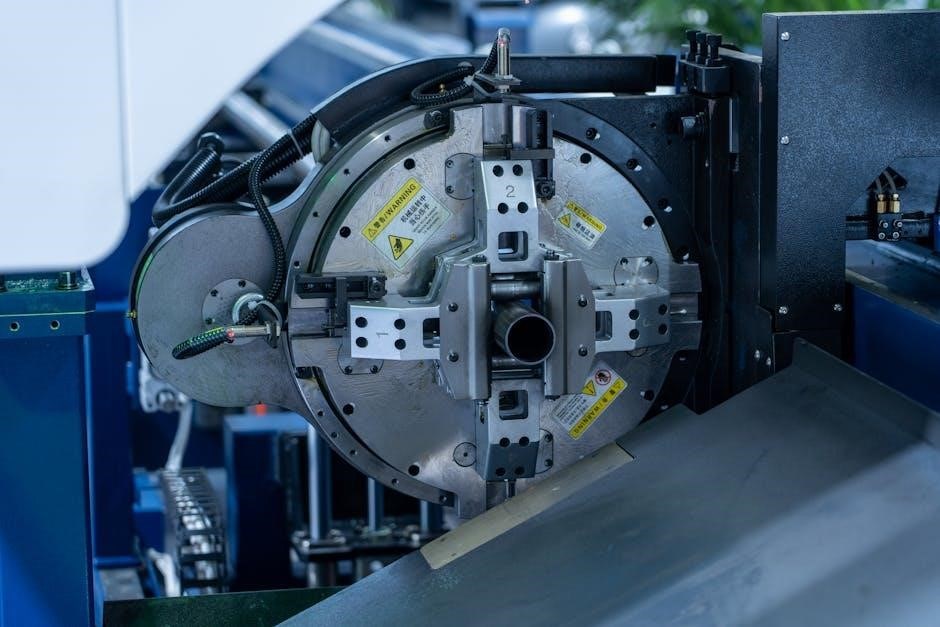
Automatic Guided Vehicle (AGV) Manufacturers: A Comprehensive Overview (2026)
This report details leading AGV manufacturers like Seegrid, Toyota, AITEN, and Lonyu, focusing on their technologies and applications within logistics and manufacturing sectors․
The Automated Guided Vehicle (AGV) market is experiencing substantial growth, driven by the increasing need for automation in logistics, manufacturing, and warehousing․ Traditionally relying on magnetic tape, AGVs are rapidly evolving with the integration of advanced technologies like vision guidance and LiDAR․ Key players, including Seegrid, Toyota Material Handling, AITEN Robotics, and Lonyu, are shaping this dynamic landscape․
These manufacturers offer diverse solutions, from vision-guided systems minimizing facility changes to comprehensive, full-service AGV integrations․ The demand stems from businesses seeking enhanced efficiency, reduced labor costs, and improved safety․ AGVs are no longer limited to simple transport tasks; they now handle complex material flows, contributing to lean logistics and optimized production processes․ The market is poised for continued expansion as adoption accelerates across various industries․
The Growing Demand for AGVs
The surge in AGV demand is fueled by several converging factors․ Labor shortages, particularly in warehousing and manufacturing, are pushing companies to automate material handling․ Simultaneously, the rise of e-commerce necessitates faster, more efficient logistics operations; Manufacturers like Huawei are already leveraging AGVs for automated lean logistics within their terminal manufacturing plants․
Furthermore, the need for scalable and flexible automation solutions is driving adoption․ AGVs, especially those utilizing vision guidance like Seegrid’s systems, offer quick deployment with minimal infrastructure changes․ This adaptability appeals to a broad range of industries, from automotive to lumber milling, creating a robust and expanding market for AGV manufacturers․
Key Players in the AGV Manufacturing Landscape
The AGV market features a diverse range of manufacturers, each with unique strengths․ Seegrid Corporation stands out with its pioneering vision-guided technology, offering flexibility and scalability․ Toyota Material Handling provides comprehensive, full-service AGV solutions and robust system integration capabilities․
Globally, AITEN Robotics and Lonyu are prominent players, catering to logistics and manufacturing needs with extensive product portfolios and comparison guides․ America In Motion, Inc․ brings 30 years of experience in custom AGV solutions․ These companies represent the forefront of innovation, driving advancements in AGV technology and applications across various industries․
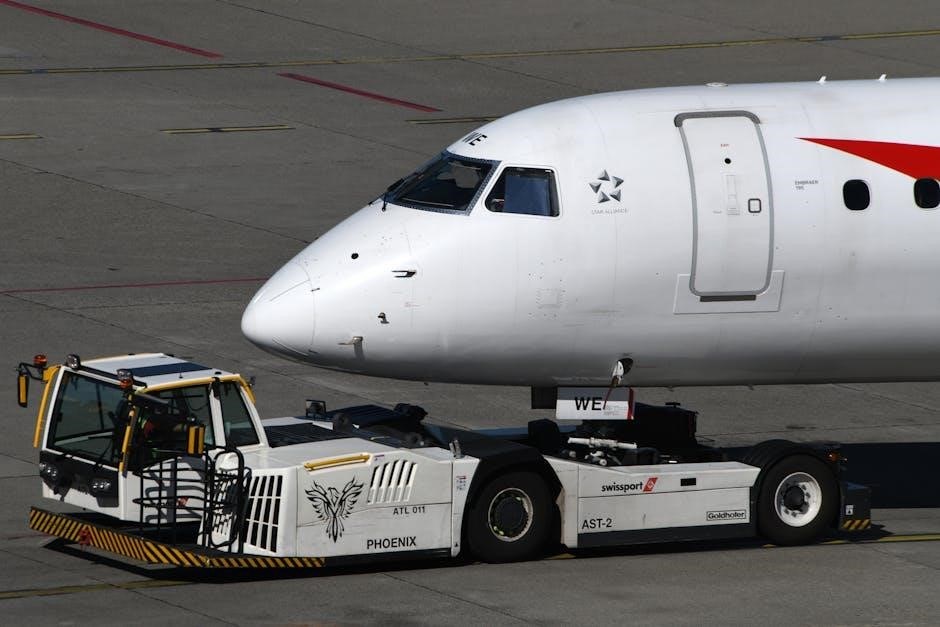
Leading AGV Manufacturers ⸺ North America
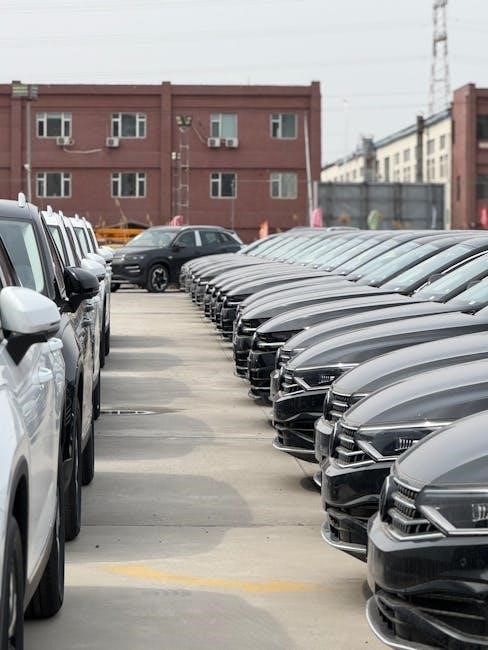
North America’s AGV sector is led by Seegrid, Toyota Material Handling, and America In Motion, Inc․, offering diverse solutions for automated material transport․
Seegrid Corporation
Seegrid Corporation has emerged as a prominent leader in the automated guided vehicle (AGV) industry, particularly recognized for its innovative vision-guided technology; Unlike many competitors relying on LiDAR or magnetic tape, Seegrid utilizes proprietary 3D vision-based guidance systems․ This approach allows for flexible deployment with minimal alterations to existing facility infrastructure, making their solutions highly appealing to warehouses, manufacturing plants, and logistics centers seeking scalability․
Their systems are designed for rapid implementation, reducing downtime and accelerating the benefits of automation․ Seegrid’s focus on vision guidance positions them at the forefront of vision-guided mobile robots (VGVs), offering a robust and adaptable material handling solution for diverse operational needs․
Seegrid’s Vision-Guided Technology
Seegrid distinguishes itself through its pioneering vision-guided technology, employing a sophisticated 3D vision system for AGV navigation․ This innovative approach eliminates the need for traditional guidance methods like magnetic tape or LiDAR, offering significant advantages in flexibility and adaptability․ The 3D vision allows AGVs to dynamically map and navigate environments, responding to changes in real-time without requiring infrastructure modifications․
This technology enables seamless integration into existing facilities and supports complex workflows․ Seegrid’s vision system provides robust and reliable performance, enhancing safety and efficiency in material handling operations․ It represents a significant advancement in AGV technology, setting a new standard for autonomous navigation․
Applications of Seegrid AGVs
Seegrid AGVs are widely deployed across diverse industries, including warehousing, manufacturing, and logistics centers, due to their adaptability and scalability․ They excel in transporting a variety of materials, from raw components to finished goods, optimizing material flow and reducing labor costs․ Their fast deployment capabilities, requiring minimal facility alterations, make them particularly attractive for businesses seeking quick returns on investment․
Specifically, Seegrid’s solutions support tasks like delivering materials to production lines, moving finished products to shipping areas, and automating repetitive transport tasks․ This leads to increased throughput, improved safety, and enhanced operational efficiency, solidifying Seegrid’s position as a leader in vision-guided mobile robotics․
Toyota Material Handling
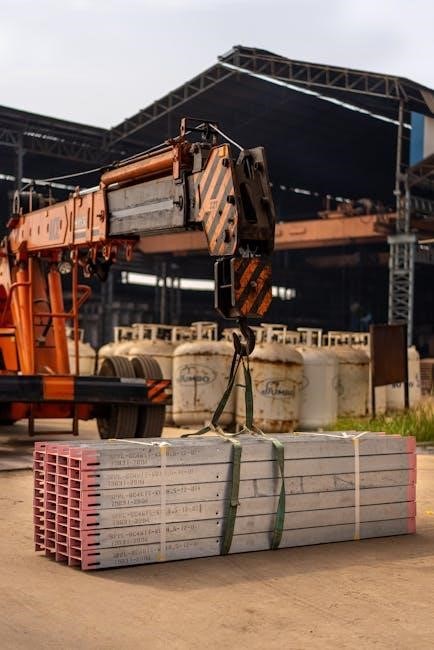
Toyota Material Handling stands as a prominent, full-service provider in the AGV market, offering a comprehensive suite of solutions beyond just vehicle manufacturing․ Based in Columbus, Indiana, they function as both a manufacturer and distributor, ensuring complete control over quality and service․ Their offerings encompass a wide range of AGV types designed to address diverse material handling needs across various industries․
Toyota distinguishes itself through its commitment to providing complete system integration, assisting clients with every stage of implementation, from initial assessment to ongoing support․ This holistic approach ensures seamless integration with existing infrastructure and maximizes the benefits of AGV technology․
Toyota’s Full-Service AGV Offerings
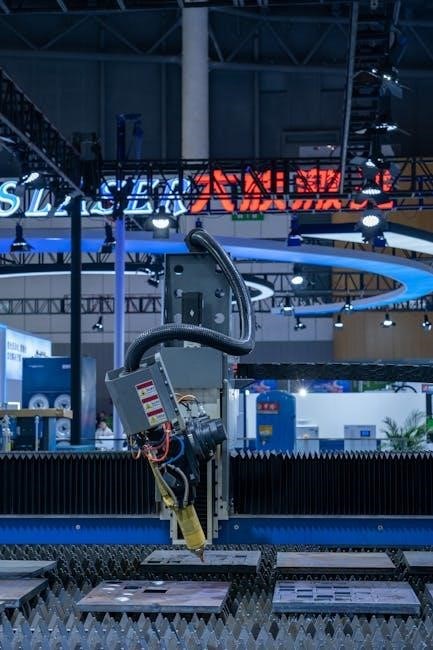
Toyota Material Handling doesn’t simply sell AGVs; they deliver complete, integrated solutions tailored to specific operational requirements․ This full-service approach encompasses everything from initial consultation and needs analysis to AGV selection, system design, and implementation․ They provide comprehensive training programs for personnel, ensuring efficient operation and maintenance of the AGV fleet․
Beyond the initial setup, Toyota offers ongoing support including preventative maintenance, troubleshooting, and repair services․ This commitment to long-term partnership ensures maximum uptime and return on investment for their clients, solidifying their position as a trusted AGV provider․
Toyota AGV System Integration
Toyota excels in seamlessly integrating AGVs into existing warehouse and manufacturing environments․ Their expertise extends beyond simply deploying the vehicles; they focus on optimizing workflows and ensuring compatibility with current infrastructure, including warehouse management systems (WMS) and manufacturing execution systems (MES)․
This integration process involves careful planning and execution, minimizing disruption to ongoing operations․ Toyota’s team collaborates closely with clients to customize AGV routes, define load handling procedures, and establish safety protocols․ They prioritize creating a cohesive and efficient automated material handling system, maximizing productivity gains․
America In Motion, Inc․
America In Motion, Inc․ stands as a seasoned provider of automated guided vehicle (AGV) solutions, boasting over 30 years of experience in the design, build, and implementation of these systems․ They specialize in delivering automated material handling solutions tailored to diverse factory automation needs․
The company’s strength lies in its comprehensive approach, encompassing everything from initial consultation and system design to installation, training, and ongoing support․ America In Motion focuses on providing robust and reliable AGV technology, enhancing operational efficiency and reducing labor costs for their clients․ They are known for their expertise and adaptability․
America In Motion’s Experience and Expertise
With a legacy spanning three decades, America In Motion, Inc․ has cultivated deep expertise in the automated guided vehicle (AGV) industry․ This extensive experience allows them to navigate complex material handling challenges and deliver customized solutions effectively․ Their team possesses a thorough understanding of various AGV technologies and their applications across diverse industries․
The company’s proficiency extends beyond mere AGV implementation; they excel in integrating these systems seamlessly into existing workflows․ America In Motion’s commitment to innovation and customer satisfaction has solidified its reputation as a trusted partner for businesses seeking to optimize their operations through automation․
Custom AGV Solutions by America In Motion
America In Motion distinguishes itself by offering tailored AGV solutions, recognizing that each client’s needs are unique․ They don’t provide one-size-fits-all systems; instead, they meticulously analyze operational requirements to design and build AGVs perfectly suited to specific applications․ This customization extends to vehicle size, load capacity, navigation type, and integration with existing infrastructure․
Their approach involves close collaboration with clients, ensuring the final solution aligns precisely with their goals․ From initial concept to full implementation and ongoing support, America In Motion delivers comprehensive services, maximizing efficiency and return on investment for businesses seeking advanced material handling automation․

Prominent AGV Manufacturers, Global Reach
Global players like AITEN Robotics and Lonyu are expanding AGV adoption worldwide, offering diverse solutions for logistics, manufacturing, and various industrial applications․
AITEN Robotics
AITEN Robotics has rapidly emerged as a significant force in the global AGV market, providing a comprehensive portfolio of automated guided vehicles designed for diverse industrial needs․ Their AGV product line encompasses various types, including unit load AGVs, forklift AGVs, and tugger trains, catering to a wide spectrum of material handling requirements․
The company’s AGVs are deployed in numerous applications across the globe, including manufacturing facilities, warehousing operations, and logistics centers․ Notably, AITEN Robotics’ solutions have found a prominent use case within Huawei’s terminal manufacturing plants, streamlining machine distribution, test equipment docking, and overall warehousing flow to achieve highly automated and efficient lean logistics․ AITEN’s commitment to innovation and global reach positions them as a key player in the evolving AGV landscape․
AITEN Robotics’ AGV Product Portfolio
AITEN Robotics boasts a diverse and adaptable AGV product portfolio, meticulously engineered to address a broad range of material handling challenges․ Their offerings include robust unit load AGVs, ideal for transporting palletized goods and heavy payloads across expansive facilities․ Complementing these are versatile forklift AGVs, designed to seamlessly integrate into existing warehouse workflows, enhancing efficiency and safety․
Furthermore, AITEN provides intelligent tugger trains, capable of autonomously towing multiple carts, optimizing material flow in high-volume environments․ This comprehensive selection ensures that AITEN can tailor solutions to specific client needs, delivering scalable and cost-effective automation․ Their commitment to product innovation continues to expand their portfolio, solidifying their position as a leading AGV provider․
Global Applications of AITEN AGVs
AITEN Robotics’ AGVs are deployed across a wide spectrum of industries globally, demonstrating their adaptability and reliability․ A prominent example is their implementation at Huawei’s terminal manufacturing plants, where AGVs facilitate machine distribution, test equipment docking, and streamlined warehousing processes – achieving highly automated lean logistics․
Beyond Huawei, AITEN AGVs are utilized in automotive manufacturing, enhancing parts delivery and assembly line efficiency․ They also serve crucial roles in logistics centers, optimizing order fulfillment and warehouse operations․ This global reach underscores AITEN’s commitment to providing scalable automation solutions, tailored to diverse industrial environments and logistical demands worldwide․
Lonyu
Lonyu is a recognized provider of automated guided vehicles (AGVs), specializing in solutions for logistics and manufacturing industries․ They position themselves as a trusted supplier for global needs, offering a comprehensive range of AGVs designed to enhance operational efficiency and reduce costs;
Lonyu distinguishes itself by providing detailed AGV comparison and buying guides, assisting clients in navigating the complexities of selecting the optimal AGV system․ Their focus extends beyond simply selling AGVs; they aim to empower businesses with the knowledge to make informed decisions, ensuring a successful integration of automation into their workflows․
Lonyu’s Focus on Logistics and Manufacturing
Lonyu strategically concentrates its AGV solutions on the demanding sectors of logistics and manufacturing, recognizing the critical need for optimized material handling in these industries․ They understand the unique challenges faced by businesses striving for streamlined operations, reduced labor costs, and increased throughput․
Their AGVs are engineered to address specific pain points within these environments, from warehouse navigation and order fulfillment to factory floor material transport and assembly line support․ Lonyu’s commitment to these core areas allows them to deliver tailored solutions that directly impact productivity and profitability for their clients․

Lonyu’s AGV Comparison and Buying Guides
Lonyu distinguishes itself by providing comprehensive AGV comparison resources and detailed buying guides, empowering potential customers to make informed decisions․ Recognizing the complexity of selecting the right AGV system, Lonyu offers accessible information to navigate the market effectively․
These guides break down key features, technologies, and cost considerations, allowing businesses to align their AGV investment with specific operational needs․ Lonyu’s commitment to transparency and education fosters trust and ensures clients choose solutions that deliver optimal value and long-term success․ They aim to simplify the procurement process․
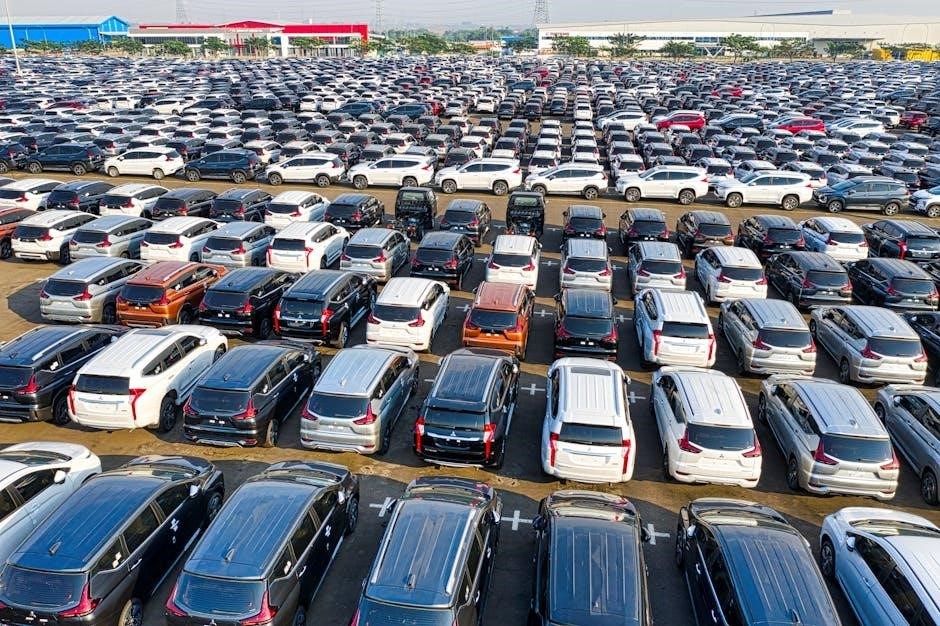
AGV Technology & Navigation Systems
AGVs utilize diverse navigation methods, including vision-guidance, LiDAR, and magnetic tape, each offering unique advantages for different applications and facility layouts․
Vision-Guided AGVs (VGVs)
Vision-Guided Vehicles (VGVs) represent a significant advancement in AGV technology, employing cameras and sophisticated algorithms to navigate autonomously․ Unlike traditional systems reliant on magnetic tape or LiDAR, VGVs utilize 3D vision for dynamic path planning and obstacle avoidance․
This approach offers several key advantages, including increased flexibility, reduced infrastructure costs, and the ability to adapt to changing environments without requiring physical modifications․ Seegrid Corporation has emerged as a pioneer in VGV technology, developing proprietary 3D vision systems for robust and reliable material handling․
VGVs excel in complex and dynamic environments, making them ideal for warehouses, manufacturing plants, and logistics centers demanding adaptability and scalability․ Their ability to “see” and react to surroundings enhances safety and efficiency, minimizing downtime and maximizing throughput․
The Advantages of Vision-Based Navigation
Vision-based navigation offers compelling benefits over conventional AGV guidance methods․ Eliminating the need for magnetic tape or physical infrastructure significantly reduces installation costs and allows for greater layout flexibility․ VGVs can readily adapt to changes in the environment, rerouting dynamically without requiring manual reprogramming or facility alterations․
Furthermore, vision systems enhance safety by providing a comprehensive understanding of the surroundings, enabling proactive obstacle avoidance․ This capability minimizes the risk of collisions and ensures smooth, reliable operation in dynamic environments․ The technology also supports faster deployment times, as minimal facility modifications are needed․
Ultimately, vision-based navigation boosts operational efficiency, reduces downtime, and provides a scalable solution for evolving material handling needs․
Seegrid as a Pioneer in VGV Technology
Seegrid Corporation has established itself as a frontrunner in the development and deployment of vision-guided vehicles (VGVs)․ Unlike many competitors relying on LiDAR or magnetic tape, Seegrid utilizes proprietary 3D vision-based guidance, offering a unique and adaptable solution for material handling․
Their commitment to vision technology has resulted in systems designed for rapid deployment with minimal disruption to existing facilities․ This approach appeals to warehouses, manufacturing plants, and logistics centers seeking flexibility and scalability․ Seegrid’s VGVs navigate autonomously, dynamically adjusting to changing environments without pre-defined paths․
This pioneering spirit positions Seegrid as a key innovator driving the advancement of autonomous mobile robotics within the industry․
LiDAR-Based AGV Navigation
LiDAR (Light Detection and Ranging) technology represents a significant approach to AGV navigation, enabling vehicles to create detailed maps of their surroundings․ By emitting laser pulses and measuring their return, LiDAR systems build a 3D representation of the environment, allowing for precise localization and obstacle avoidance․
This method offers robust performance in dynamic environments, even in low-light conditions․ While Seegrid champions vision-guided technology, many AGV manufacturers utilize LiDAR as a core component of their navigation systems․ It provides a reliable solution for complex layouts and varying material flow․
However, LiDAR systems can be sensitive to dust and reflective surfaces, requiring careful consideration during implementation and maintenance․
Magnetic Tape Guided AGVs
Magnetic tape guidance represents one of the earliest and most established methods for AGV navigation․ This system involves embedding a magnetic tape into the floor, which AGVs follow using onboard sensors․ The tape defines the vehicle’s path, offering a simple and cost-effective solution for predefined routes․
While reliable and relatively easy to install, magnetic tape systems lack the flexibility of more advanced technologies like vision guidance or LiDAR․ Altering routes requires physically modifying the tape layout, making it less adaptable to changing environments․
Despite its limitations, magnetic tape guidance remains a viable option for applications with stable layouts and predictable material flow․
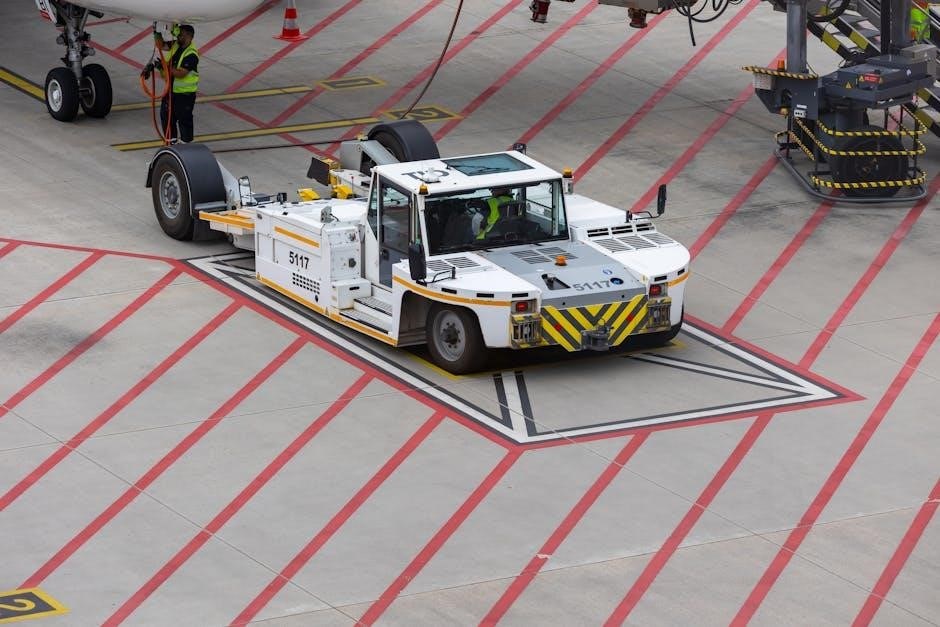
Industry-Specific AGV Applications
AGVs are transforming industries like automotive, warehousing, and manufacturing, streamlining processes with applications ranging from machine distribution to material transport and logistics․
AGVs in the Automotive Industry
The automotive sector significantly benefits from AGV integration, enhancing efficiency and precision in complex manufacturing processes․ Companies like Huawei are already leveraging AGVs within their terminal manufacturing plants, specifically for machine distribution, precise test equipment docking, and optimized warehousing flow․
This implementation demonstrates a commitment to highly automated, lean logistics, reducing manual intervention and improving overall productivity․ AGV use cases within automotive plants extend to component delivery, assembly line support, and finished vehicle handling․ The need for robust, reliable material flow makes AGVs an ideal solution, contributing to increased output and reduced operational costs․
Huawei’s AGV Implementation in Terminal Manufacturing
Huawei has strategically integrated AGVs into its terminal manufacturing processes, showcasing a forward-thinking approach to automation․ Specifically, AGVs are deployed for critical tasks including the precise distribution of machinery throughout the facility, ensuring timely access to necessary equipment․
Furthermore, AGVs facilitate seamless docking of test equipment, streamlining quality control procedures and accelerating the validation process․ Optimized warehousing flow is another key benefit, enabling efficient material handling and reducing bottlenecks․ This comprehensive AGV implementation supports Huawei’s commitment to highly automated, lean logistics, ultimately boosting production efficiency and product quality․
AGV Use Cases in Automotive Plants
AGVs are revolutionizing automotive manufacturing, enhancing efficiency and safety across various processes․ They expertly handle the delivery of parts to assembly lines, ensuring a consistent supply of components and minimizing downtime․ AGVs also manage the transportation of finished vehicles, optimizing logistics within the plant and to storage areas․
Furthermore, AGVs facilitate the movement of heavy tooling and equipment, reducing the risk of worker injury and improving overall productivity․ The sensitive nature of automotive manufacturing necessitates discreet operations; therefore, plant visits for competitive analysis are often restricted, highlighting the industry’s competitive landscape;
AGVs in Warehousing and Logistics
AGVs are transforming warehousing and logistics by automating material handling tasks, significantly boosting operational efficiency․ They excel at tasks like pallet transport, order picking, and automated storage and retrieval systems (AS/RS) integration, reducing labor costs and improving throughput․ Seegrid’s vision-guided systems are particularly popular due to their fast deployment and minimal facility modifications․
These systems enhance warehouse flexibility and scalability, adapting to changing demands with ease․ AGVs contribute to safer working environments by minimizing human interaction with heavy loads and navigating congested areas effectively, streamlining the entire supply chain process․
AGVs in Manufacturing Plants
AGVs are revolutionizing manufacturing processes by automating the movement of materials, work-in-progress, and finished goods․ Companies like Huawei demonstrate this by utilizing AGVs for machine distribution, test equipment docking, and warehousing within their terminal manufacturing plants, achieving lean logistics․
AGVs enhance production efficiency, reduce errors, and improve workplace safety․ They handle repetitive tasks, freeing up human workers for more complex operations․ Manufacturers benefit from increased throughput, reduced lead times, and optimized material flow, leading to significant cost savings and improved overall productivity․
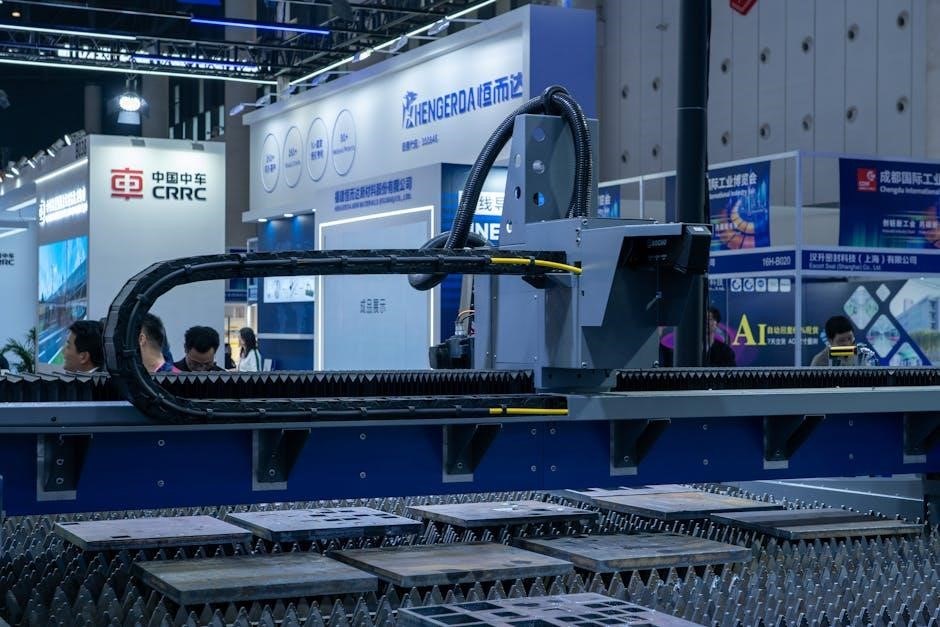
Evaluating and Selecting an AGV Manufacturer
Procurement teams should prioritize site visits, demonstrations, and assess customization/integration capabilities when choosing an AGV partner for optimal business alignment․
Considerations for Procurement Teams
Procurement teams face unique challenges when selecting AGV manufacturers․ Beyond initial costs, a total cost of ownership analysis is crucial, factoring in maintenance, integration, and potential downtime․ Understanding the specific application – warehousing, automotive, or manufacturing – dictates the necessary AGV features and navigation type․
Prioritize manufacturers offering scalability to accommodate future growth․ Consider the level of facility disruption during implementation; Seegrid’s vision-guided systems minimize changes․ Vendor experience, as demonstrated by America In Motion’s 30 years in the field, is invaluable․
Don’t overlook the importance of robust support and training programs․ Finally, confidentiality agreements are vital, especially when conducting site visits, acknowledging sensitivities around competitive processes, as highlighted by industry discussions․
The Importance of Site Visits and Demonstrations
Direct observation is paramount when evaluating AGV manufacturers․ Site visits to existing installations, particularly those mirroring your operational environment, provide invaluable insights․ Witnessing AGVs in action – like those deployed by Huawei in terminal manufacturing – reveals real-world performance and reliability․
Request comprehensive demonstrations showcasing the AGV’s capabilities with your specific materials and workflows․ Assess navigation accuracy, obstacle avoidance, and integration with existing systems․
Remember industry sensitivities; some facilities may restrict access due to competitive concerns, as noted in Lean Manufacturing discussions․ Thorough demonstrations, however, can mitigate this need, allowing for informed decision-making based on tangible evidence․
Customization and Integration Capabilities
AGV solutions aren’t one-size-fits-all․ Evaluate a manufacturer’s ability to tailor AGVs to your unique facility layout and material handling needs․ America In Motion’s expertise in custom AGV solutions highlights this crucial aspect․
Seamless integration is key․ Assess compatibility with your existing Warehouse Management System (WMS), Manufacturing Execution System (MES), and other automation technologies․
Consider future scalability․ Can the AGV system adapt to evolving operational demands? A flexible, customizable system minimizes disruption and maximizes long-term ROI, ensuring a worthwhile investment․