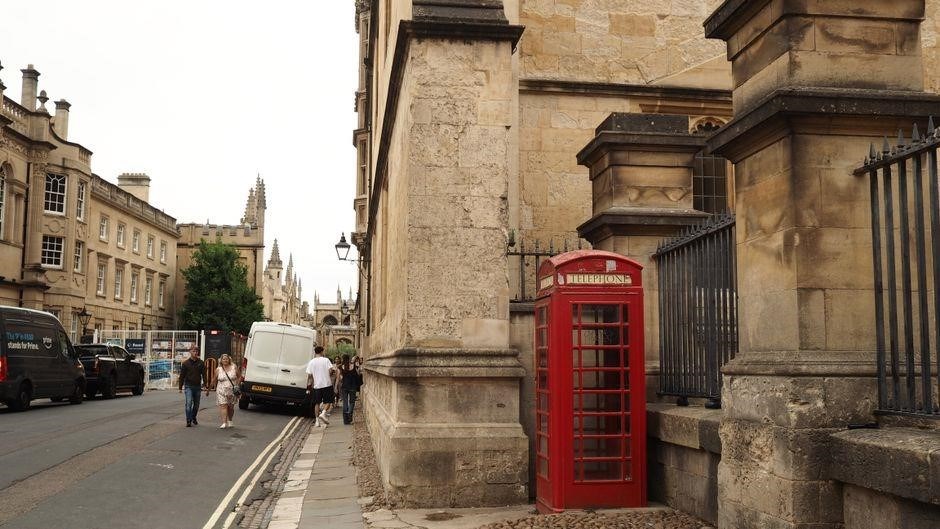
Explore the historic streets of Oxford at your own pace, discovering university landmarks, charming alleys, and literary spots. A self‑guided walk lets you absorb the city’s rich heritage while enjoying flexible timing and personal curiosity. now!!!!!
What is a Self Guided Walking Tour?
A self‑guided walking tour is an autonomous exploration of a city where visitors follow a pre‑planned route using maps, mobile apps, or printed guides, stopping at points of interest at their own pace. In Oxford, this format lets you wander the cobbled lanes that once inspired Shakespeare, stroll past the spires of the University of Oxford and Oxford Brookes University, and pause in historic pubs that have hosted scholars for centuries. The experience is shaped by resources such as the Oxford 3000 and Oxford 5000 position papers, which outline key landmarks and walking distances, and by digital tools that provide audio commentary, historical anecdotes, and real‑time navigation. Participants can choose from themed routes—literary walks, architectural tours, or heritage trails—each offering a unique lens on the city’s academic and cultural legacy. Because the tour is self‑paced, you can linger in a courtyard, photograph a medieval arch, or simply enjoy a coffee break in a street café before continuing. The flexibility of a self‑guided walk also means you can adapt the itinerary to your interests, weather, or time constraints, making Oxford’s rich tapestry accessible to both casual visitors and dedicated historians alike. These resources empower walkers to delve deeper into Oxford’s scholarly heritage, ensuring each step is enriched with context and insight today
Historical Context of Oxford Walking Tours
The tradition of guided exploration in Oxford dates back centuries, evolving from informal pilgrimages to structured academic tours. In the early 20th century, scholars began mapping routes that highlighted the university’s medieval architecture and scholarly heritage. The self‑guided format emerged with digital mapping, allowing visitors to follow pathways while accessing commentary. Key milestones include the publication of the Oxford 3000 and Oxford 5000 position papers, which formalized the city’s heritage corridors and provided a framework for preserving architectural integrity. These documents emphasize the role of Oxford University Press as a steward of knowledge, linking literary history with physical landmarks. The dual presence of the University of Oxford and Oxford Brookes University broadened the scope of walking tours, incorporating academic sites alongside centuries‑old colleges. The city’s rich literary tradition—home to authors such as J.R.R. Tolkien and C.S. Lewis—has been woven into tour narratives, offering contextual anecdotes that enrich the walking experience. Today, self‑guided routes continue to adapt, integrating technology while honoring the city’s storied past, ensuring that each step reveals layers of cultural and intellectual significance. Highlights heritage.
Benefits of Self Guided Tours in Oxford
Self‑guided walking tours in Oxford offer a flexible, immersive experience that lets visitors pace themselves through the city’s academic and cultural heart. By following a map or app, walkers can explore the University of Oxford’s historic colleges, the modern campus of Oxford Brookes University, and the bustling streets that have inspired countless writers. The ability to pause at the Oxford English Hub or the Oxford Advanced Learners Dictionary showcases the city’s linguistic heritage. Self‑guided routes also highlight the Oxford 3000 and Oxford 5000 position papers, providing insight into contemporary academic discourse. For those interested in publishing, a stop at Oxford University Press reveals the world‑renowned press’s global reach. Cultural events, such as Black History Month celebrations, can be incorporated into the itinerary, allowing visitors to witness local community pride. Additionally, the flexibility of a self‑guided tour means you can easily adjust the schedule to fit in a visit to the Oxford Test of English or a quick coffee break at a historic café. Overall, these tours combine academic depth, literary charm, and practical convenience, making Oxford accessible to scholars, students, and casual travelers alike. Discover hidden gems, quiet corners, enriching steps.
Popular Tour Routes in Oxford
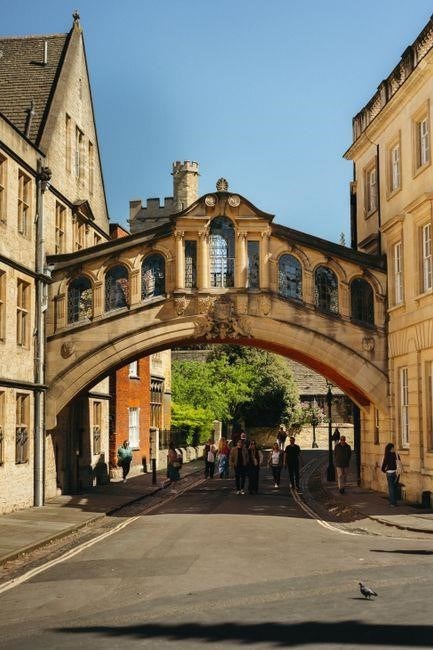
Oxford’s self‑guided walking tours come in several well‑trodden itineraries that weave together the city’s academic heart, historic streets, and cultural landmarks. The most beloved route, the “City Walk,” starts at the iconic Radcliffe Camera, loops past the Bodleian Library, and continues through the cobbled lanes of High Street, offering panoramic views of the spires that define the skyline. For those fascinated by literary heritage, the “Literary Walk” traces the footsteps of J.R.R. Tolkien, Oscar Wilde, and Lewis Carroll, stopping at the Eagle and Child pub, the Charles Dickens Museum, and the secluded gardens of Christ Church College where many scenes from “Alice in Wonderland” were inspired. A third popular path, the “University Walk,” focuses on the academic institutions themselves: it begins at the University of Oxford’s main entrance, passes the Sheldonian Theatre, and visits the historic colleges of Merton, Magdalen, and New College, each with its own unique architectural style and storied alumni. Finally, the “River Cherwell Trail” offers a relaxed pace following banks of the river from the University of Oxford’s Botanic Garden to the picturesque Bridge of Sighs, where visitors can pause to enjoy the tranquil water and the surrounding greenery. Each route is mapped in detail on the city’s official tourism website and can be accessed via free mobile apps, allowing walkers to customize stops, read historical anecdotes, and even download audio guides for an immersive experience.
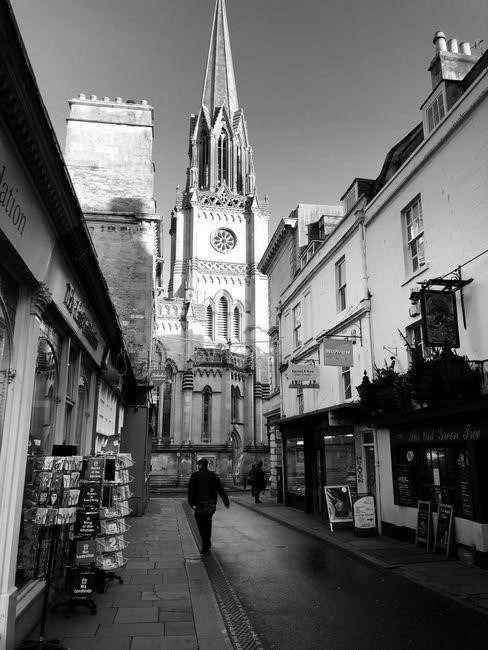
Planning Your Oxford Self Guided Walking Tour
Choose a map app, plan your route, and set realistic walking times. Pack water, a jacket and a notebook. Check local transport options and parking spots near key landmarks for a smooth experience.
Choosing the Right Map and App
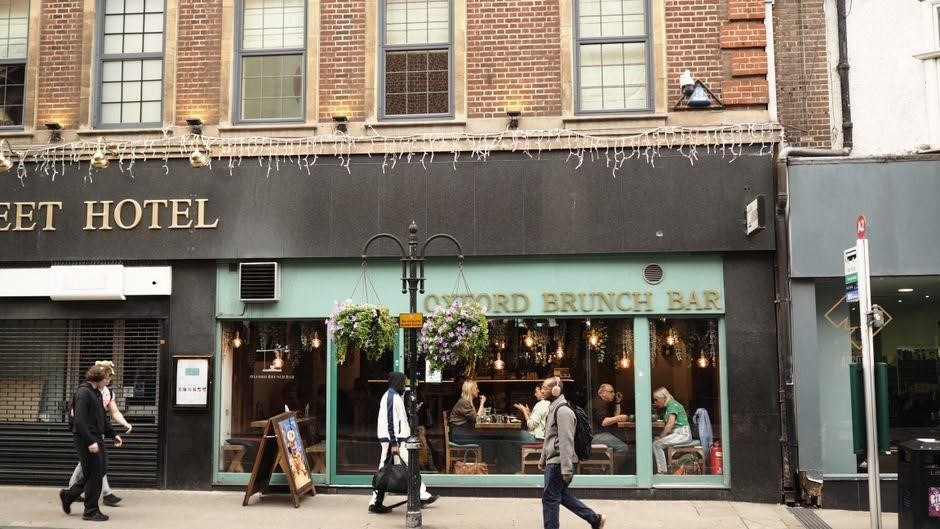
Planning a self‑guided Oxford walk starts with selecting reliable navigation. A paper map, such as the Oxford 3000 from Oxford University Press, offers clear street details and key landmarks. For digital users, the Oxford 5000 Position Paper app supplies GPS coordinates, historical notes, and suggested routes. Many walkers pair these with the Oxford English Hub, which provides offline language resources, ensuring smooth exploration even where reception is weak. The Google Maps offline feature allows downloading a central Oxford map and following turn‑by‑turn directions without data. If you prefer audio guides, the Oxford Walking Tour app offers multi‑language commentary and QR‑code videos at each stop. When choosing between paper and app, consider your device’s battery life and the need for instant updates. A subscription to the Oxford University Press digital library can enrich the experience with scholarly articles about the sites you visit. Always confirm that your chosen app supports the latest OS version to avoid compatibility issues that could interrupt your walk.
Additionally, consider downloading a map of the city’s for reference during the walk and keep a notebook to jot down observations or questions that arise. This habit enhances engagement and deepens your appreciation of Oxford’s layered history for your exploration today.

Timing and Duration Considerations
When planning a self‑guided walk through Oxford, timing is key. The city’s compact layout means that most major sights can be covered in a single day, but the pace you choose will shape the experience. A leisurely stroll, allowing time to pause at historic colleges, sample local cafés, and read street signs, typically lasts 4–6 hours. A brisk pace can fit the same route into 2–3 hours, but you’ll miss subtle architectural details that give Oxford its charm. The best times to walk are early in the morning or late in the afternoon, when foot traffic is lighter and the light is softer, ideal for photography. Avoid midday crowds, especially during university term times, when students and staff fill the streets. Weather plays a role; spring and autumn offer mild temperatures and fewer tourists, while summer can be hot and bustling. Planning your walk around the university’s academic calendar helps avoid peak periods. If you’re visiting during the summer term, consider starting early to beat the heat and crowds. Finally, remember to allow buffer time for unexpected detours or spontaneous stops at charming bookshops, historic pubs, or the famous Radcliffe Camera.

Packing Essentials for the Walk
Before setting out on an Oxford self‑guided walking tour, pack a compact, weather‑ready kit that balances comfort, convenience, and safety. A lightweight waterproof jacket or umbrella is essential, as the city’s climate can shift quickly from sunny to misty. Pair it with a breathable, moisture‑wicking base layer and a light fleece for cooler evenings. Comfortable, supportive walking shoes with good traction will keep you steady on cobblestones and uneven pavements.
Carry a small, reusable water bottle to stay hydrated, especially during longer routes that may span several hours. A compact first‑aid pouch containing band‑ages, antiseptic wipes, and pain relievers can address minor scrapes or headaches. For navigation, a fully charged smartphone with a reliable map app or a printed route guide ensures you won’t lose your way.
Include a lightweight daypack to hold essentials without adding bulk. Pack a compact umbrella, a small notebook or digital device for jotting observations, and a portable charger for electronics. If you plan to visit museums or galleries, a reusable tote bag can carry any souvenirs or books you might pick up. Finally, consider a small, insulated lunch or snacks to keep energy levels up while you explore the historic streets and academic landmarks.
Transportation and Parking Options
Oxford’s compact city centre is best explored on foot, but several transport choices make self‑guided tours flexible. Public buses run every 10‑15 minutes from the main bus station, linking university precincts, the historic market square, and peripheral suburbs. The iconic red double‑deckers offer scenic routes, while newer electric buses provide a quieter alternative. Taxis and rideshare services such as Uber and Lyft are readily available; a short walk from most landmarks brings you to a designated pick‑up point. For personal vehicles, the city offers paid parking bays and free street parking, though space is limited during peak hours. The central “Park & Ride” at Southgate provides ample spaces for commuters, with a shuttle bus that drops passengers near the university campus. Bicycle rental schemes, including the city’s “Oxford Cycle Hire”, allow walkers to extend routes without traffic or parking hassles. The university’s own car‑sharing fleet is available for short trips, offering a sustainable and cost‑effective solution for exploring surrounding colleges and museums. By combining these options, visitors can tailor their journey to fit time constraints, budget, and personal preference, ensuring a smooth and enjoyable experience throughout the self‑guided tour. Additionally, the city’s free Wi‑Fi hotspots and mobile charging stations keep visitors connected and powered throughout their exploration. All options are on Oxford tourism site!!!
Key Highlights and Attractions on the Tour
Discover Oxford’s iconic landmarks, from the historic Bodleian Library, to the picturesque Radcliffe Camera, stroll through the cobbled streets of High Street, visit the vibrant Covered Market, and admire the medieval architecture of St. Mary’s Church.!!

Explore the historic streets of Oxford at your own pace, discovering university landmarks, charming alleys, and literary spots. A self‑guided walk lets you absorb the city’s rich heritage while enjoying flexible timing and personal curiosity. now!!!!!
University of Oxford Landmarks
Begin at the iconic Radcliffe Camera, a neoclassical library that has welcomed scholars since 1816. Walk east to the Bodleian Library, one of the oldest research libraries in Europe, where the vaulted reading rooms echo centuries of academic pursuit. Continue to the Sheldonian Theatre, designed by Christopher Wren, where royal audiences and university ceremonies have taken place for over three centuries.
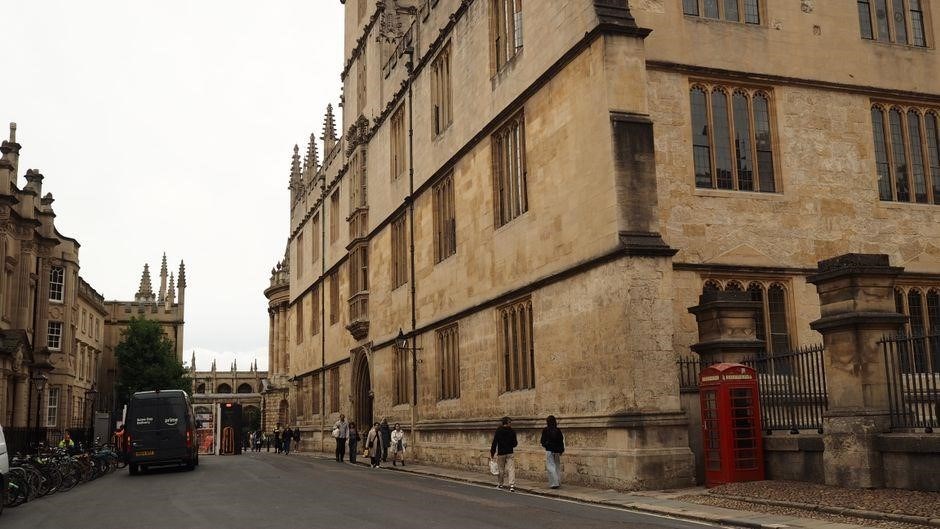
From there, stroll to the historic Christ Church Cathedral, whose spire dominates the skyline and whose cloisters inspired Lewis Carroll’s “Alice in Wonderland.” Nearby, the Museum of Natural History offers a glimpse into the university’s scientific legacy, while the Ashmolean Museum showcases art and antiquities from across the globe.
Cross the river to the University Parks, a sprawling green space that hosts sporting events and serene walks. Finish the circuit at the iconic Oxford Union, a debating hall where political leaders have debated policy since 1823.
Walking these routes, visitors encounter the Radcliffe Observatory, the historic St. Mary’s Church, and the picturesque Magdalen Bridge, each offering unique insights into Oxford’s architectural evolution and scholarly traditions. vibrant student life.!!.
Explore the historic streets of Oxford at your own pace, discovering university landmarks, charming alleys, and literary spots. A self‑guided walk lets you absorb the city’s rich heritage while enjoying flexible timing and personal curiosity. now!!!!!
Oxford Brookes University Sites
Oxford Brookes University, founded in 1869, offers a vibrant slice of academic life within the city’s historic fabric. Key sites for a self‑guided walk include the main St. Giles campus, where the striking Brookes Library with its modern glass façade contrasts the medieval architecture of the surrounding streets. Nearby, the University Museum of the History of Science showcases early scientific instruments, while the contemporary Brookes Museum of Art displays student and faculty works. The student centre, a hub of social activity, features cafés, study spaces, and a rooftop terrace with panoramic views of Oxford’s skyline. Further afield, the Cowley campus hosts the School of Business and the Institute for Sustainable Development, offering insights into cutting‑edge research. Walking through these sites, visitors encounter a blend of historic charm and contemporary innovation, reflecting the university’s commitment to excellence and community engagement.
The university’s research hubs, like the Centre for Advanced Materials and the Institute for Climate Change, attract scholars worldwide. Students gather in St. Mary’s Square for annual literary festival, celebrating Oxford’s storytelling tradition. Brookes Gardens offer tranquil spots for study and reflection todaydaily now.
Historic Streets and Architecture
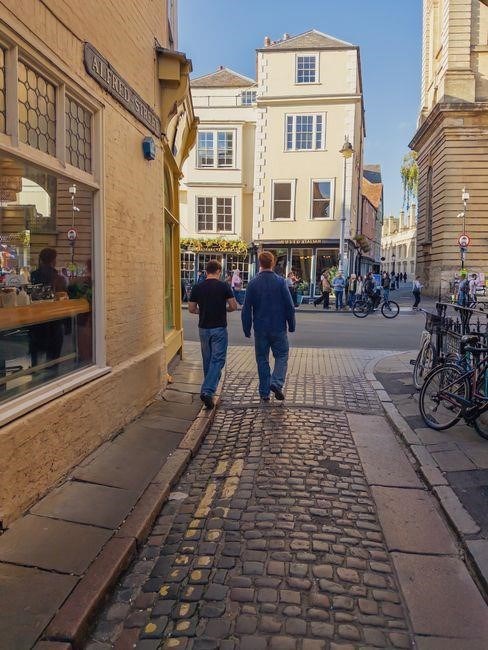
Walking through Oxford’s cobbled lanes reveals a living tapestry of medieval, Georgian, and Victorian design. The narrow, winding streets of the city centre—such as St. Giles’, the bustling market square, and the quiet lanes around the Old Bridge—offer a visual narrative of the city’s evolution. Each block tells a story: the 12th‑century stone arches of the University Church of St. Mary the Virgin, the elegant timber‑framed houses of the medieval town, and the grand brick facades of the 19th‑century colleges. The iconic Radcliffe Camera, with its domed portico, exemplifies the Palladian style that influenced many Oxford buildings. Walking past the historic Covered Market, you’ll encounter a blend of 18th‑century architecture and modern retail spaces, reflecting the city’s adaptive reuse ethos. The cobblestones themselves are a testament to centuries of foot traffic, while the surrounding façades display intricate carvings, mullioned windows, and ornamental stonework. The street layout, largely unchanged since the 13th century, demonstrates medieval urban planning principles: a central market square surrounded by a ring of streets that radiate outward. The architectural diversity showcases Oxford’s role as a centre of learning and culture, with structures ranging from austere collegiate halls to ornate public buildings. As you stroll, take note of the subtle differences in stone colour, roof pitch, and decorative motifs, which collectively narrate the city’s architectural journey through time. Feel pulse of centuries in every stone today!!.
Cultural and Literary Sites
Oxford’s literary heritage is woven into its streets, offering a self‑guided tour that feels like stepping into a novel. Begin at the Bodleian Library, where centuries of manuscripts whisper stories of scholars and poets. A short walk brings you to the Eagle and Child pub, the haunt of the Inklings—J.R.R. Tolkien and C.S. Lewis—whose conversations sparked epic worlds. Continue to the Oxford Playhouse, a vibrant venue that showcases contemporary drama and classic performances, reflecting the city’s artistic pulse. Nearby, the Oxford Literary Festival’s temporary installations invite visitors to engage with authors and creative writers, turning the city into an open‑air stage. For a quieter reflection, stroll to the Radcliffe Camera, whose neoclassical façade has inspired countless writers, and then to the nearby St. John’s College, where the choir’s resonant voices echo through the chapel, a setting that has featured in films and literary works alike. Each stop offers a unique lens on Oxford’s cultural tapestry, allowing walkers to connect with the minds that shaped modern literature and to experience the city’s enduring creative spirit. The walk invites reflection on literature’s legacy, visitors cherish Oxford’s enduring narrative
Museums and Galleries
Oxford’s cultural scene is a treasure trove for self‑guided explorers, offering a blend of world‑class museums and intimate galleries that capture the city’s academic spirit and artistic heritage. Start at the Ashmolean Museum, the world’s first university museum, where you can wander through ancient Egyptian sarcophagi, Roman mosaics, and contemporary art installations—all within a single, architecturally stunning building. Just a short stroll brings you to the Pitt Rivers Museum, renowned for its anthropological collection that spans continents and centuries, featuring intricate masks, ceremonial objects, and a fascinating display of “cultural evolution” that invites reflection on global histories.
For a more modern twist, the Oxford Art Factory Gallery showcases emerging artists from the university and beyond, providing a dynamic space where new ideas are exhibited in rotating exhibitions. The Saïd Business School’s gallery hosts contemporary works that explore the intersection of commerce, technology, and society, offering a unique perspective on the future of business. Meanwhile, the Bodleian Library’s reading rooms double as a quiet gallery of rare manuscripts, illuminated texts, and early printing presses, allowing visitors to appreciate the tactile beauty of scholarly artifacts.
Each venue is easily accessible via the city’s compact layout, and many offer free entry or discounted rates for students and locals. By weaving these museums and galleries into your walking itinerary, you’ll experience a layered narrative of Oxford’s past, present, and creative future—all while enjoying the freedom and flexibility that self‑guided tours provide. Temporary exhibitions add fresh perspectives each time.!!!