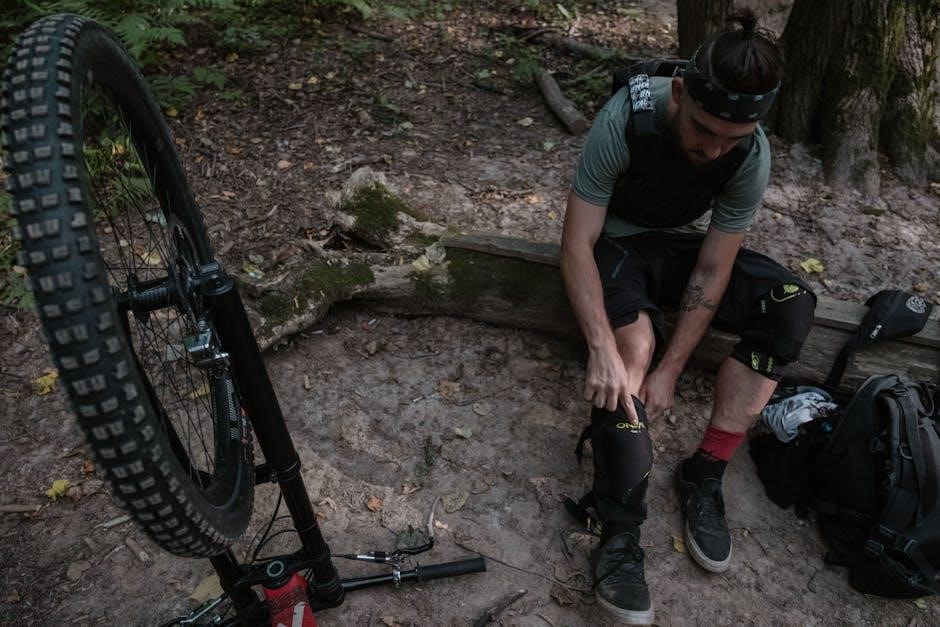
Navigating the world of mountain biking requires a correctly sized frame for optimal control and comfort․
This guide explores crucial aspects of MTB sizing,
considering discipline, geometry, and rider measurements for a perfect fit․
Finding the right size enhances performance, prevents injuries, and maximizes enjoyment on the trails․
Understanding these principles is key to selecting your ideal MTB․
Why Proper Frame Size Matters
Selecting the correct mountain bike frame size is paramount for a safe, efficient, and enjoyable riding experience․ A frame that’s too large or too small compromises handling, leading to instability and reduced control, especially on technical terrain․ This can significantly increase the risk of crashes and injuries․
Proper sizing ensures optimal power transfer, allowing you to maximize your pedaling efficiency and climb with greater ease․ It also contributes to better body positioning, reducing strain on your back, knees, and wrists during long rides․ A well-fitted bike promotes comfort, enabling you to ride longer and explore more trails․
Ultimately, a correctly sized MTB frame enhances your connection to the bike, boosting confidence and allowing you to fully enjoy the thrill of mountain biking․ Ignoring frame size can negate the benefits of even the most advanced components․
Understanding Different MTB Disciplines & Their Impact on Sizing
Mountain biking encompasses diverse disciplines, each demanding specific frame geometry and sizing considerations․ Downhill (DH) bikes prioritize stability at high speeds, featuring longer wheelbases and slacker head angles, often requiring larger frame sizes for increased confidence․
Enduro bikes strike a balance between climbing efficiency and descending prowess, with sizing leaning towards the longer end of the spectrum for stability․ Cross-Country (XC) bikes emphasize efficiency and agility, typically utilizing shorter reach measurements and more compact frames․
Trail bikes, the most versatile category, offer a middle ground, with sizing dependent on rider preference and terrain․ Understanding your primary riding style is crucial when selecting a frame size, as geometry significantly impacts handling characteristics․
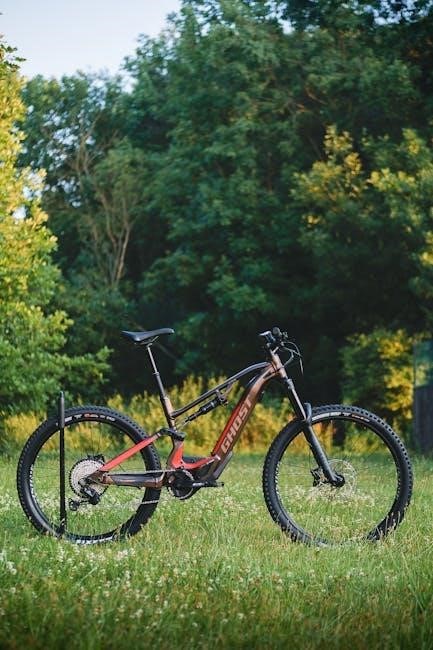
Key Measurements for MTB Frame Sizing
Essential measurements – standover height, top tube length, reach, stack, and seat tube length – define frame size and fit․
Accurate assessment of these dimensions is vital for optimal bike control․
Standover Height
Standover height is the distance from the top tube to the ground when you’re straddling the bike․ Traditionally, riders needed 1-2 inches of clearance, but modern geometry often allows for slightly less․ Measuring this ensures you can comfortably stand over the bike without the top tube interfering․
However, standover height isn’t the sole determinant of fit, especially with sloping top tubes common on modern MTBs․ Focus on effective top tube length and reach for a more comprehensive assessment․ Incorrect standover height can lead to discomfort and control issues on technical terrain․ Always prioritize a comfortable and confident position․
Consider your riding style; more aggressive riders might prefer a slightly higher standover for maneuverability․
Top Tube Length
Top tube length, measured horizontally from the head tube to the seat post, significantly impacts reach and overall bike fit․ Historically a primary sizing metric, it’s now considered alongside reach․ A longer top tube generally provides a more stretched-out, aggressive riding position, ideal for efficient pedaling and descending․
Conversely, a shorter top tube offers a more upright, comfortable position, suited for less aggressive riding․ Modern bikes often feature shorter top tubes paired with longer reaches․ Finding the right length depends on your torso length, arm reach, and riding style․ Adjustments can be made with stem length to fine-tune the fit․
Consider that different disciplines favor varying top tube lengths․
Reach
Reach, measured horizontally from the bottom bracket to the head tube, is a crucial modern sizing metric․ It defines how stretched out you are over the bike, impacting handling and weight distribution; A longer reach generally provides more stability at speed and better control on technical terrain, favoring aggressive riding styles․
Shorter reach offers a more compact, maneuverable feel, suitable for tighter trails and riders prioritizing agility․ Reach is less affected by stem length adjustments than top tube length, making it a more reliable sizing indicator․ Consider your arm length and flexibility when determining your ideal reach․
Modern geometry emphasizes reach as a primary fit parameter․
Stack
Stack, measured vertically from the bottom bracket to the head tube, determines the bike’s overall height․ It influences your upright or aggressive riding position․ A higher stack provides a more comfortable, upright posture, reducing strain on your back and shoulders, ideal for endurance riding․
A lower stack promotes a more aggressive, aerodynamic position, enhancing control and power transfer, favored by downhill and enduro riders․ Stack, combined with reach, dictates handlebar height and overall cockpit setup․ Adjustments can be made with headset spacers and stem choices․
Understanding stack is vital for achieving a comfortable and efficient fit․
Seat Tube Length
Seat tube length, measured from the center of the bottom bracket to the top of the seat tube, traditionally dictated frame size․ However, modern geometry prioritizes reach and stack, making seat tube length less critical for overall fit․ It primarily influences standover height and dropper post insertion depth․
A longer seat tube offers more saddle adjustment range but may limit dropper post travel․ Conversely, a shorter seat tube allows for longer dropper posts, enhancing maneuverability on technical terrain․ Consider your inseam and desired dropper post travel when evaluating seat tube length․
Modern frames often feature shorter seat tubes, accommodating a wider range of rider heights․

MTB Frame Sizing Charts by Height
Utilizing height-based charts provides a starting point for frame selection․ However, individual proportions and riding style significantly influence the ideal size; consider these factors․
Charts offer general recommendations, but test rides and professional fittings are crucial for a precise, comfortable, and efficient fit․
Sizing for Riders Under 5’6″ (168cm)
For riders under 5’6″ (168cm), selecting a smaller frame is paramount for control and maneuverability․ Generally, a MTB with a 13-15 inch frame (33-38cm) is a suitable starting point, though this varies by brand and geometry․
Prioritize reach and standover height; ensure ample clearance and a comfortable riding position․ Shorter crank arms (165-170mm) can also improve pedaling efficiency and prevent knee strain․ Consider bikes specifically designed for smaller riders, as they often feature proportionally sized components․
Wheel size plays a role – 26-inch or 27․5-inch wheels can offer better handling for shorter riders․ Always test ride to confirm the fit and adjust stem length and saddle position for optimal comfort and performance․
Sizing for Riders Between 5’6″ and 5’10” (168cm ‒ 178cm)
Riders within the 5’6″ to 5’10” (168cm ─ 178cm) range typically find a good fit with 17-19 inch (43-48cm) MTB frames․ However, individual proportions and riding style significantly influence the ideal size․
Focus on reach and stack measurements to achieve a balanced and comfortable position․ A longer reach provides stability at speed, while stack affects handlebar height and overall riding posture․ Crank arm length of 170-175mm is generally appropriate․
Both 27․5-inch and 29-inch wheel sizes are viable options, depending on preference and terrain․ Test riding different sizes and wheelsets is crucial to determine the best combination for your body and riding style․
Sizing for Riders Between 5’10” and 6’0″ (178cm ─ 183cm)
Mountain bikers ranging from 5’10” to 6’0″ (178cm ‒ 183cm) generally fit well on 19-21 inch (48-53cm) frames․ However, inseam length and torso proportions play a vital role in precise sizing․ Prioritize reach and stack measurements for optimal fit․
Consider a longer reach for increased stability, particularly on technical trails․ Stack height influences handlebar position and comfort; adjust to suit your riding style․ Crank arm lengths of 175-180mm are commonly used within this height range․
29-inch wheels are often preferred for riders in this category, offering improved rollover capability and efficiency․ Always test ride to confirm the best size and wheel combination for your individual needs․
Sizing for Riders Over 6’0″ (183cm)
Mountain bikers exceeding 6’0″ (183cm) typically require larger frames, generally ranging from 21 inches (53cm) and up․ Inseam length becomes increasingly critical at this height, influencing standover clearance and overall bike fit․ Prioritize reach to ensure a comfortable and controlled riding position․
Longer crank arms (180-185mm) may enhance pedaling efficiency for taller riders․ Consider a wider handlebar for improved leverage and stability, especially on challenging terrain․ 29-inch wheels are almost universally recommended for riders in this height bracket․
Test riding different frame sizes is crucial, as geometry varies between brands․ Focus on achieving a balanced and ergonomic position to maximize performance and minimize fatigue․
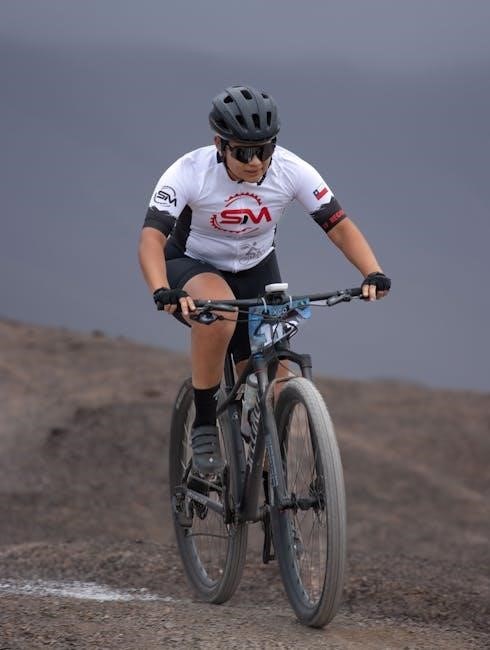
Wheel Size and Frame Geometry
Wheel size significantly impacts frame geometry and handling․ 26-inch, 27․5-inch, and 29-inch wheels offer distinct ride characteristics, influencing frame design and rider fit․
Choosing the right wheel size is crucial for optimal performance․
26-inch Wheel MTB Frames
Historically, 26-inch wheels were the standard for mountain bikes, offering nimble handling and quick acceleration․ However, they are becoming less common as 27․5 and 29-inch wheels gain popularity․ Frame sizing for 26-inch bikes generally prioritizes a more compact geometry, suitable for shorter riders or those preferring a playful, maneuverable feel․
When sizing a 26-inch MTB, consider a slightly smaller frame compared to equivalent sizes in larger wheel diameters․ Standover height remains a critical factor, ensuring sufficient clearance․ Reach and stack measurements are also important, influencing rider position and comfort․ These frames often suit aggressive trail riding and dirt jumping due to their responsiveness․
Rocky Mountain offers examples of 26-inch hardtail frames, like the FLOW DJ, geared towards specific disciplines․
27․5-inch (650b) Wheel MTB Frames
The 27․5-inch (650b) wheel size strikes a balance between the agility of 26-inch wheels and the rollover capability of 29-inch wheels․ Frame sizing for 27․5 MTBs often mirrors that of 29ers, but with slightly more emphasis on playful handling․ Riders seeking a versatile bike for varied terrain often gravitate towards this wheel size․
Geometry tends to be more forgiving, making 27․5 bikes accessible to a wider range of riders․ Reach and stack measurements are crucial for achieving a comfortable and efficient riding position․ Consider a frame size that allows for confident cornering and nimble maneuvering․ These bikes excel in trail riding, enduro, and all-mountain disciplines․
MTB-News․de highlights the importance of bike tests when considering different frame options․
29-inch Wheel MTB Frames
29-inch wheels are now the dominant choice in many MTB disciplines, offering superior rollover ability and traction․ Frame sizing for 29ers requires careful consideration, as longer wheelbases and slacker head angles impact handling․ Riders generally benefit from a slightly larger frame size compared to 27․5-inch bikes, but individual proportions matter most․
Reach becomes particularly important with 29ers, ensuring sufficient space for comfortable pedaling and control․ Stack height influences the bike’s overall stability․ Modern 29er geometry often prioritizes stability at speed and efficiency on climbs․ These bikes are popular for cross-country, trail, and enduro riding․
MTB-News․de emphasizes the value of thorough testing when selecting a 29er frame․

Frame Material and Sizing Considerations
Frame material—aluminum, carbon fiber, or steel—influences ride characteristics and sizing nuances․ Material impacts compliance, weight, and geometry, affecting the ideal fit for each rider․
Aluminum Frames
Aluminum frames represent a popular choice due to their balance of affordability, durability, and weight․ Sizing with aluminum frames generally follows standard charts, but consider that aluminum doesn’t offer the same level of compliance as carbon fiber or steel․
Therefore, a slightly shorter reach might be preferable for increased maneuverability, especially on technical trails․ Aluminum’s stiffness can transmit more trail feedback, so prioritize a comfortable fit․ Pay attention to standover height and top tube length to ensure adequate clearance and control․ Manufacturers often offer aluminum frames in a wide range of sizes to accommodate various rider heights and proportions․
When selecting an aluminum frame, focus on a fit that feels stable and allows for efficient power transfer without compromising comfort․
Carbon Fiber Frames
Carbon fiber frames offer a premium riding experience, characterized by their lightweight nature and vibration-damping properties․ Sizing a carbon frame requires careful consideration, as manufacturers often design them with more aggressive geometries․ A slightly longer reach is common, aiming for a stable and efficient platform for varied terrain․
Due to carbon’s ability to be molded into complex shapes, frame sizing can be more nuanced․ Prioritize a professional bike fit to fine-tune the setup, especially concerning stack and handlebar reach․ Carbon frames often feel more forgiving in terms of fit, but precise adjustments are still crucial for optimal performance and comfort․
Remember that carbon fiber can be more susceptible to damage from impacts, so ensure adequate standover clearance․
Steel Frames
Steel mountain bike frames represent a classic choice, known for their durability, comfortable ride quality, and relatively affordable price point․ Sizing a steel frame generally follows traditional geometry guidelines, making it a more straightforward process compared to carbon fiber․ Expect a slightly more upright riding position, prioritizing comfort over aggressive performance․
Steel frames often offer a wider range of sizes, accommodating diverse rider heights; Pay close attention to standover height and top tube length to ensure a proper fit․ While steel is heavier than carbon or aluminum, its inherent compliance absorbs trail vibrations effectively․
Consider that steel frames can be easily repaired, adding to their longevity and value․
Using Online Bike Size Calculators
Online bike size calculators offer a convenient starting point for determining your ideal MTB frame size․ Input your height and inseam for a preliminary recommendation․
Remember these tools provide estimates; a professional fitting is still recommended for optimal results․
Popular Bike Size Calculator Websites
Numerous websites offer bike size calculators, each utilizing slightly different algorithms․ Competitive Cyclist is a widely respected resource, providing detailed recommendations based on multiple body measurements, not just height․ Their approach considers flexibility and riding style․
BikeInsights offers a comprehensive calculator with options for various bike types, including mountain bikes, and allows for inputting specific geometry data․ REI also features a user-friendly calculator, ideal for beginners․ Evans Cycles (UK-based) provides a straightforward tool, while Wrench Science offers a more advanced fitting calculator․
The Bike Size Calculator is another quick and easy option․ Always cross-reference results from multiple calculators for a more accurate estimate before making a purchase․
Limitations of Online Calculators
While convenient, online bike size calculators are not foolproof․ They rely on generalized algorithms and may not account for individual body proportions or riding preferences․ Factors like arm length, torso length, and flexibility significantly impact fit, and aren’t always considered․
Calculators often provide a range of sizes, requiring further refinement․ Geometry varies between brands and models; a calculator can’t account for these nuances․ Riding style – aggressive versus casual – also influences the ideal fit․
Ultimately, these tools offer a starting point, but a professional bike fit is recommended for optimal comfort and performance․ Don’t solely rely on a calculator’s recommendation; consider it a guide, not a definitive answer․

Fine-Tuning Your Fit
Achieving a perfect fit often requires adjustments beyond frame size․ Saddle height, stem length, and handlebar adjustments personalize the bike for optimal comfort and control․
These tweaks maximize efficiency and prevent discomfort during rides․
Adjusting Saddle Height
Proper saddle height is crucial for efficient pedaling and preventing injuries․ A common starting point is to position the saddle so your leg is almost fully extended at the bottom of the pedal stroke, with a slight bend in the knee․
To fine-tune, try the heel-on-pedal method: place your heel on the pedal at the bottom position․ Your leg should be straight․ When you move your foot to the ball of your foot, there should be a slight bend in your knee․
Small adjustments – a few millimeters at a time – can make a significant difference․ Too high, and you’ll rock side-to-side; too low, and you’ll waste energy․ Experiment to find what feels most comfortable and powerful for you on varied terrain․
Stem Length Adjustment
Stem length significantly impacts reach and handling․ A shorter stem provides more responsive steering, ideal for technical trails, while a longer stem offers greater stability at higher speeds․ Adjusting the stem is a key way to fine-tune your fit without changing the frame․
Start by assessing your current reach․ If you feel cramped or overextended, adjust the stem length accordingly․ A good starting point is to ensure your weight is balanced comfortably over the pedals․
Small changes – 10-20mm increments – are recommended․ Observe how the adjustment affects your steering feel and overall comfort․ Consider your riding style and terrain preferences when selecting the optimal stem length․
Handlebar Width and Rise
Handlebar width and rise profoundly influence control and comfort․ Wider handlebars offer increased leverage and stability, particularly beneficial on technical descents and rough terrain․ Narrower bars provide quicker steering response, suited for tighter trails․
Handlebar rise affects your riding posture․ Higher rise handlebars create a more upright position, enhancing comfort on longer climbs․ Lower rise bars promote a more aggressive, aerodynamic stance for downhill riding․
Experiment with different widths and rises to find what suits your body and riding style․ Consider shoulder width and arm length when making adjustments․ Small changes can significantly improve handling and reduce fatigue․

Professional Bike Fitting
Investing in a professional bike fit ensures optimal positioning, maximizing power transfer and minimizing injury risk․ Experts analyze your biomechanics
for a customized setup;
A proper fit enhances comfort, efficiency, and overall riding experience, tailored to your unique body and riding style․
Benefits of a Professional Bike Fit
A professional bike fit extends far beyond simply selecting the correct frame size․ It’s a comprehensive assessment of your body’s interaction with the bicycle, aiming to optimize performance and prevent injuries․ Experienced fitters utilize advanced tools and techniques to analyze your flexibility, strength, and riding style․
Key benefits include improved pedaling efficiency, reduced strain on joints, and enhanced power output․ Correct positioning minimizes the risk of common cycling ailments like knee pain, back discomfort, and numbness․ Furthermore, a fit can address existing pain points and optimize your bike handling skills․ Ultimately, a professional fit translates to more comfortable, efficient, and enjoyable rides, allowing you to push your limits and reach your full potential on the trails․
What to Expect During a Bike Fit
During a professional MTB bike fit, anticipate a detailed assessment beginning with a discussion of your riding history, goals, and any existing discomfort․ The fitter will then conduct a physical assessment, evaluating your flexibility, posture, and range of motion․
Next, you’ll be observed riding your bike, often on a stationary trainer, allowing the fitter to analyze your pedaling technique and body position․ Measurements are taken, and adjustments are made to saddle height, fore/aft position, handlebar reach, and stem length․ Cleat positioning is also carefully considered․ Expect a dynamic process with ongoing feedback and adjustments until an optimal position is achieved, maximizing comfort and efficiency․

MTB Frame Sizing for Specific Disciplines
Different MTB disciplines—downhill, enduro, and cross-country—demand unique frame geometries․ Sizing varies to optimize performance for each riding style and terrain․
Selecting the correct size based on your primary discipline is crucial for control and efficiency․
Downhill (DH) MTB Sizing
Downhill mountain biking demands a stable and robust frame, prioritizing control at high speeds and over challenging terrain․ DH bikes typically feature longer wheelbases and slacker head tube angles for increased stability․
Riders often size up on DH bikes compared to their all-mountain or enduro counterparts․ This provides more room to move around on the bike and enhances stability during jumps and drops․ Reach is a critical measurement, allowing for a comfortable and controlled position․ Standover height is less of a concern, as riders expect to be actively moving around on the bike․
Focus on a frame that allows for a centered and balanced position, enabling confident maneuvering․ Consider a longer reach and a more relaxed geometry for optimal downhill performance․ Prioritize stability over nimble handling in this discipline․
Enduro MTB Sizing
Enduro mountain biking requires a versatile frame capable of handling both challenging climbs and aggressive descents․ Enduro bikes strike a balance between stability and maneuverability, demanding careful consideration of frame sizing․
Riders generally opt for a size that prioritizes reach, allowing for a comfortable and efficient climbing position while maintaining control on descents․ A slightly longer reach than an all-mountain bike is common, promoting stability at speed․ Stack height also plays a role, influencing the bike’s overall handling characteristics․
Focus on finding a frame that allows for an aggressive yet comfortable riding position․ Balance reach with stack to achieve optimal control and efficiency․ Consider your riding style and terrain when selecting your enduro frame size․
Cross-Country (XC) MTB Sizing
Cross-country (XC) mountain bikes prioritize efficiency and climbing prowess, influencing frame sizing considerations․ XC frames typically favor a more compact geometry compared to enduro or downhill bikes, emphasizing a responsive and agile feel․
Riders often choose a size that allows for an upright and efficient pedaling position, maximizing power transfer on climbs․ Reach tends to be shorter than on other disciplines, promoting quick handling and maneuverability on technical trails․ Stack height is generally lower, encouraging a more aggressive, forward-leaning posture․
Prioritize a frame size that facilitates efficient pedaling and precise handling․ Consider your height and inseam to find a comfortable and effective riding position for long-distance XC adventures․

Recent Trends in MTB Frame Development
Modern MTB frames increasingly feature fully welded front triangles for enhanced strength and aesthetics․ E-MTB integration also impacts sizing, often requiring longer wheelbases and slacker geometries․
Fully Welded Front Triangles
Traditionally, many mountain bike frames utilized bolted or riveted front triangles, allowing for easier material mixing or replacement․ However, a significant trend is the adoption of fully welded front triangles, particularly in higher-end models․
This construction method offers several advantages․ Welding creates a smoother, more unified structure, enhancing frame stiffness and improving power transfer․ It also allows manufacturers greater design freedom, optimizing tube shapes and material combinations for specific performance characteristics․
Furthermore, fully welded frames often exhibit improved durability and a cleaner aesthetic․ While repair can be more complex, the benefits in ride quality and overall frame integrity are increasingly valued by riders and manufacturers alike, driving this design evolution․
Impact of E-MTB on Frame Sizing
Electric mountain bikes (e-MTBs) introduce unique considerations to frame sizing․ The added weight of the motor and battery significantly alters the bike’s handling characteristics, necessitating adjustments to geometry and sizing recommendations․
Generally, e-MTBs tend to have longer wheelbases and slacker head tube angles for increased stability at speed, counteracting the effects of the heavier weight distribution․ Frame stiffness is also crucial to manage the increased torque output from the motor․
Riders often find they need to size up on an e-MTB compared to a traditional mountain bike, prioritizing stability and control over aggressive maneuverability․ Careful consideration of reach and stack measurements is vital for a comfortable and confident riding experience․